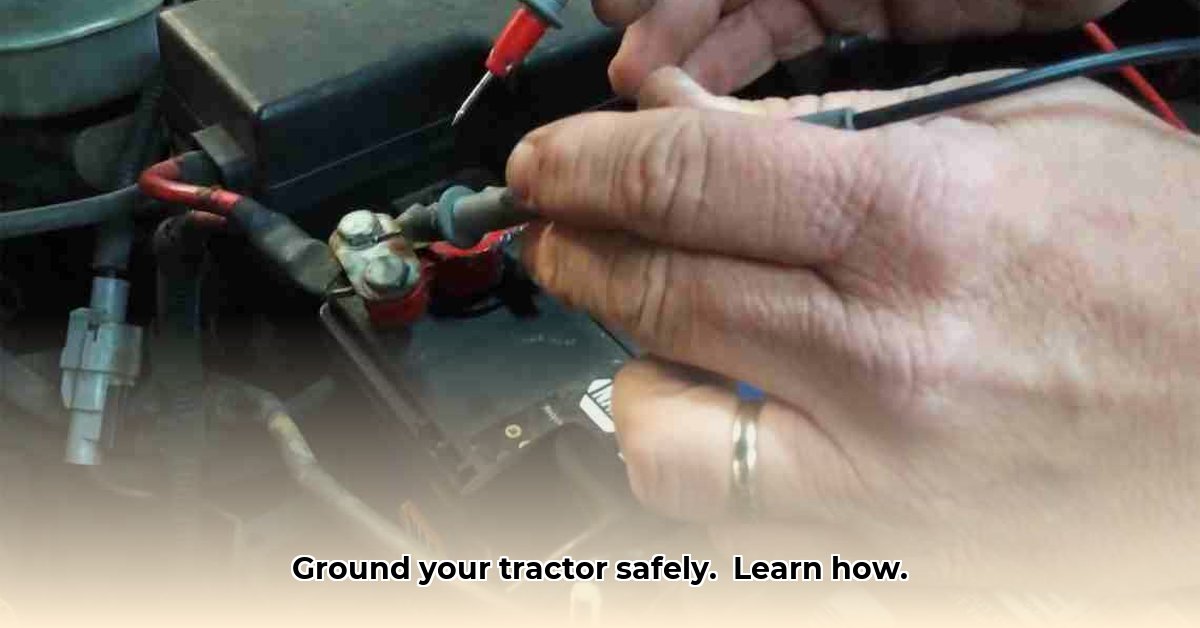
Ensuring the safety of your farm's electrical systems is paramount. A properly installed grounding rod is your first line of defense against electrical hazards. This guide provides a comprehensive, step-by-step approach to installing grounding rods from Tractor Supply, ensuring both safety and efficiency. We'll cover everything from choosing the right rod to verifying proper installation.
Choosing the Right Grounding Rod at Tractor Supply
Tractor Supply offers two primary grounding rod types: copper-clad steel and galvanized steel. While both effectively ground electrical systems, key differences exist in longevity, conductivity and cost. Which one is right for your needs?
Copper-clad steel rods offer superior conductivity (how well electricity flows) and significantly longer lifespan. These are ideal for critical applications like your main electrical panel, providing robust, long-term protection. However, they command a higher upfront cost.
Galvanized steel rods represent a more budget-friendly option. They provide reliable grounding, suitable for less critical applications. However, they may have a shorter lifespan and slightly lower conductivity than their copper-clad counterparts. Always check local building codes and consult a qualified electrician to make the optimal choice for your specific requirements.
Did you know that a properly grounded system can reduce the risk of electrical fires by up to 90%? (Source: NFPA)
Getting Ready for Grounding Rod Installation
Before starting, gather the necessary tools and materials:
- Post hole digger or auger
- Sledgehammer or heavy mallet
- Level
- Appropriate gauge grounding wire (check local electrical codes)
- Clamps or connectors (corrosion-resistant)
- Measuring tape
- Safety glasses and work gloves
Crucial Safety Precaution: Always de-energize the electrical system before beginning any grounding work. This is non-negotiable for your safety.
Step-by-Step Grounding Rod Installation Guide
Follow these steps for safe and effective grounding rod installation:
Site Selection: Choose a location with consistently moist soil, avoiding rocky areas. Deep, consistently moist soil ensures optimal electrical conductivity.
Hole Excavation: Dig a hole at least 8 feet deep (deeper is better). The deeper the rod, the better the ground connection.
Rod Insertion: Carefully drive the grounding rod straight into the hole, using your level to maintain verticality. Avoid forcing the rod; if you encounter significant resistance, relocate.
Wire Attachment: Securely attach the grounding wire to the rod using clamps or connectors designed to resist corrosion. A loose connection is a significant safety hazard.
Backfilling: Gently backfill the hole, compacting the soil to minimize settling. Ensure the wire connection remains intact throughout this process.
Professional Inspection: Schedule an inspection by a qualified electrician. They'll perform a ground resistance test to verify your installation meets safety standards. This crucial step ensures your safety and protects against future problems.
Copper-Clad vs. Galvanized Steel: A Detailed Comparison
This table summarizes the key differences:
| Feature | Copper-Clad Steel | Galvanized Steel |
|---|---|---|
| Conductivity | Excellent | Good |
| Lifespan | Very Long | Shorter |
| Cost | Higher | Lower |
| Corrosion Resistance | Superior | Moderate |
Choosing the right grounding rod is a critical decision, directly impacting the safety and longevity of your electrical system. Investing in higher-quality materials, while potentially more expensive upfront, can prevent costly repairs and significant safety risks in the long run.
Frequently Asked Questions (FAQs)
Q: How often should I check my grounding rod system?
A: While a professional inspection is crucial after installation, regular visual checks for corrosion or damage are advisable, especially after severe weather events.
Q: What happens if my grounding rod fails?
A: Failure can lead to electrical shocks, equipment damage, and potentially fires. Regular maintenance and professional inspections are key to preventing these hazards.
Q: Can I install the grounding rod myself?
A: While the steps are outlined here, professional installation is always recommended, especially for large or complex setups. A qualified electrician ensures compliance with all safety standards and local building codes.
This comprehensive guide details the safe installation of grounding rods. Remember, prioritizing safety is paramount. While Tractor Supply offers essential materials, professional assistance ensures correct installation and lasting protection against electrical hazards.